
Ice Dams and Gutter Guards: A Capital Region Winter Guide
Why ice dams form on Albany-area roofs, what gutter guards do and do not fix, and how to protect gutters, fascia and ceilings through a Capital Region winter.
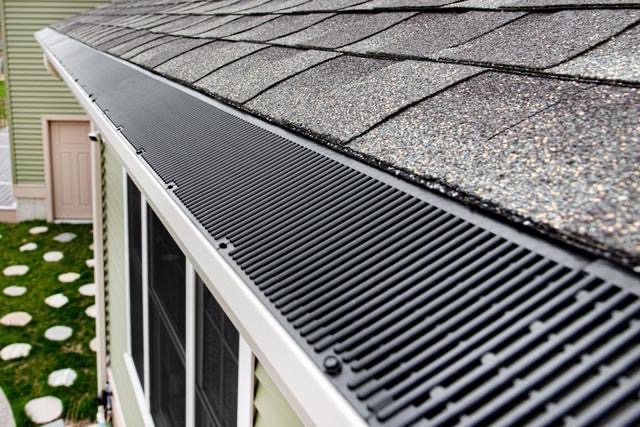
Ice dams are the winter problem Capital Region homeowners call about most, usually in late January, usually after a brown stain shows up on a bedroom ceiling. The Albany area is close to ideal ice-dam territory: heavy snow, long stretches below freezing, and enough sunny midday thaws to keep meltwater moving. Here is what actually causes them, what gutter guards do and do not solve, and what is worth doing before the snow flies.
How an Ice Dam Forms
Snow sits on the roof. Heat escaping from the living space below — or sunshine on a dark roof — melts the underside of that snowpack. The meltwater runs down the slope until it reaches the eave, which hangs over unheated space and stays much colder. There it refreezes.
Repeat that cycle for a week and you get a ridge of ice along the eave. Water backing up behind that ridge has nowhere to drain, so it pools, and pooled water finds its way under the shingle courses. Shingles shed running water; they do not seal against standing water. That is the moment it becomes an interior problem.
The damage list is expensive: soaked insulation, stained ceilings, rotted fascia and soffit, mold in the wall cavity, and gutters torn off the house by the sheer weight of the ice.
What Makes It Worse in Albany-Area Homes
Three things stack up. First, attic heat loss — inadequate insulation or air leaks around can lights, bath fans and the attic hatch keep the roof deck warm enough to melt snow from below. Second, poor attic ventilation, which prevents the cold outside air from keeping the deck temperature even. Third, clogged gutters.
That third one is the piece exterior maintenance controls directly. A gutter packed with frozen leaf mash cannot drain a single drop of meltwater. It becomes a solid block of ice at the exact spot where the dam wants to form, and it gives the ice a base to build against. Older homes around Albany, Troy and Schenectady, with generous overhangs and mature trees, hit all three factors at once.
- Attic heat loss warms the roof deck and melts snow from below
- Weak attic ventilation keeps the deck temperature uneven
- Clogged gutters freeze solid and anchor the dam at the eave
- Deep overhangs and shaded north slopes stay coldest and dam first
What Gutter Guards Actually Do
A good gutter guard keeps leaves, needles and shingle grit out of the trough. Going into winter with a genuinely empty, free-draining gutter, meltwater keeps moving instead of pooling and freezing in place. That removes one of the three ice-dam factors and it removes the yearly ladder work that makes people skip cleaning entirely.
Design matters. Guards that let water in through a fine surface while shedding debris off the top keep working through freeze-thaw cycles. Cheap plastic screens sag, pop out under snow load, and collect debris on top of themselves — which is worse than no guard at all, because it looks handled.
As a certified Raindrop Gutter Guard installer, we install a system built to keep flowing through the freeze-thaw cycles this climate throws at it.
What Gutter Guards Do Not Fix
Be clear-eyed here: no gutter guard prevents ice dams on its own. If your attic is leaking heat into the roof deck, snow will keep melting from underneath and refreezing at the cold eave whether the gutter is clear or not. Insulation and air sealing are the root fix for that half of the problem.
What guards do is eliminate the clogging factor permanently, protect the gutter and fascia from the weight of a debris-and-ice plug, and make sure that when meltwater does reach the gutter it has a clear path to the downspout.
Your Pre-Winter Punch List
Everything on this list has to happen before the first sustained freeze, which in the Capital Region can arrive any time from mid-November.
- Clean gutters and flush every downspout to confirm flow
- Tighten hangers so no section sags and holds water
- Extend downspout discharge at least four feet from the foundation
- Clear leaf packs out of roof valleys and behind chimneys
- Remove moss from the shingles — it traps snow and holds meltwater at the eave
- Consider gutter guards if you are cleaning two or three times a year already
- Have attic insulation and air sealing checked if you have had ice dams before
If You Already Have an Ice Dam
Do not go up with a hammer, a chisel, or a pressure washer. Chipping ice off shingles takes granules and often whole shingle tabs with it, and a ladder against an ice-covered eave is genuinely dangerous.
Pull snow off the lower few feet of roof with a roof rake from the ground when you can do it safely, and address the underlying causes — gutters, ventilation, insulation — once the season allows. Then get the gutters and roof handled properly the following fall so it does not repeat.
Ready for a Free Quote?
Fast callback. No pressure, no obligation.
FAQ
Frequently Asked Questions
Do gutter guards prevent ice dams?
Gutter guards remove one of the three main causes by keeping the gutter clear and free-draining, but they do not fix attic heat loss or poor ventilation. Combined with clean gutters and proper insulation, they significantly reduce ice-dam risk.
Why do I get ice dams every winter in Albany?
Heat escaping into the attic melts snow on the roof, the meltwater refreezes at the colder eave, and clogged gutters give that ice a base to build on. Capital Region snowfall and freeze-thaw cycles make the pattern repeat all winter.
Can ice dams damage my gutters?
Yes. A gutter full of ice can weigh hundreds of pounds and routinely pulls hangers loose, bends the trough, and tears fascia board away from the house.
Should I remove an ice dam myself?
Do not chip or pressure wash ice off shingles — it strips granules and damages the roof, and icy ladder work is dangerous. Rake snow off the lower roof from the ground if you can do it safely and fix the underlying causes.
When should gutter guards be installed?
Any time the gutters are clean and accessible, but fall is ideal so the system is in place before the first freeze.
Get Started
Get Your Free Quote
Takes about a minute. No obligation — we'll text or call you back fast.
