
Fall Gutter Cleaning Checklist for Capital Region Homes
A step-by-step fall gutter cleaning checklist for Albany-area homes — when to clean, what to inspect, and how to get ahead of ice dams before the first freeze.
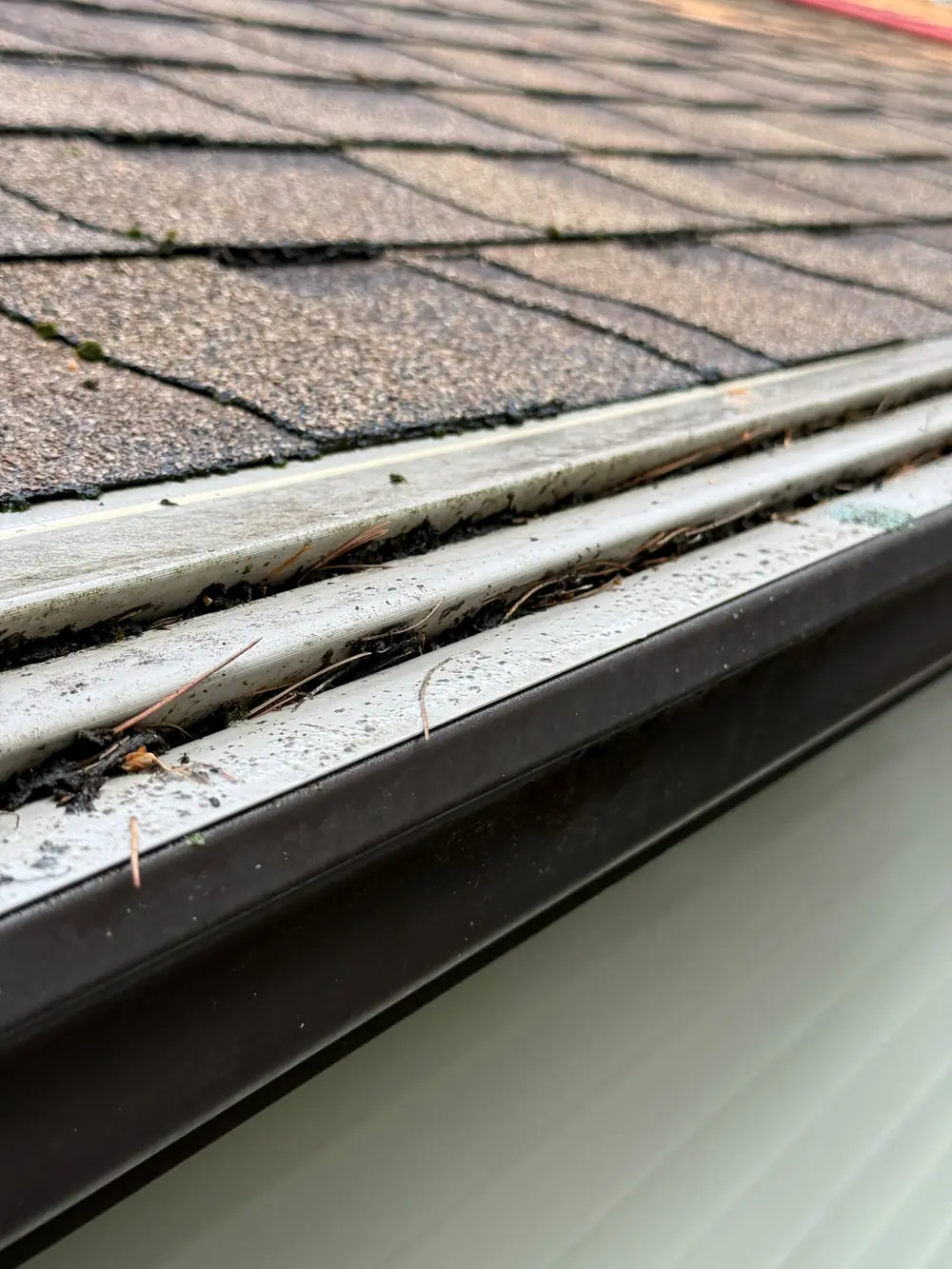
Fall is the one window where gutter work actually decides how your house handles winter. In Albany, Schenectady, Troy and the surrounding towns, leaves come down late October into November, and the first hard freeze usually follows within weeks. Clean gutters going into that freeze means meltwater has somewhere to go. Clogged gutters mean standing water, ice, and the kind of damage that shows up as stained ceilings in February. Here's the checklist we work through on every fall gutter job.
When to Clean Gutters in the Capital Region
The honest answer for most Capital Region homes is twice: once in late spring after the maples and oaks finish dropping seed pods and blossoms, and once in late fall after the leaves are down. If you only do one, make it the late-fall cleaning.
Timing matters more than people expect. Clean too early — mid-October, while half the canopy is still up — and you will be doing it again. Wait too long and you are working on a ladder in freezing rain, or worse, the debris has already frozen into a solid plug in the downspout. The sweet spot in Albany, Delmar, Niskayuna and Clifton Park is generally the first two weeks of November, once the trees are mostly bare but before the first sustained freeze.
Homes surrounded by mature pines are a separate case. Needles drop year-round and pack tighter than leaves, so those houses often need a third visit.
- Late fall (early-to-mid November) — the critical cleaning before freeze-up
- Late spring — clears seed pods, blossoms, and winter grit
- Heavy pine or oak cover — plan on three visits a year
The Fall Gutter Checklist, Step by Step
This is the order that actually works. Skipping the flush step is the most common DIY mistake — a gutter can look spotless from the ladder and still have a downspout packed solid at the elbow.
- Clear all debris from the gutter trough by hand or scoop — not by blowing it toward the downspout
- Flush the full run with water and confirm flow out the bottom of every downspout
- Snake or disassemble any downspout that does not run free
- Check that every hanger and spike is tight; sagging sections hold water and freeze first
- Inspect seams and end caps for drips or rust staining
- Confirm the gutter pitch still runs toward the outlet — a quarter inch of fall per ten feet
- Check where downspouts discharge; extensions should carry water at least four feet from the foundation
- Look at the fascia and soffit behind the gutter for soft wood or peeling paint
- Clear debris off the roof itself — valleys and behind chimneys hold leaf packs that wash into the gutter later
- Note any moss or black algae streaking on the shingles for a spring soft wash
Why Clogged Gutters Cause Ice Dams
An ice dam forms when snow on the upper roof melts, runs down toward the cold eave, and refreezes. Clogged gutters make it dramatically worse. Instead of draining, the meltwater sits in a trough full of frozen leaf mash, freezes solid, and gives the ice on the eave something to build against. The ridge of ice grows uphill, meltwater backs up behind it, and water that finds its way under a shingle course ends up in the soffit, the wall cavity, or the ceiling below.
That is why fall gutter cleaning is not a cosmetic job in this climate. It is the cheapest ice-dam prevention available, and it costs a fraction of repairing a soaked ceiling or rotted fascia.
What Else to Handle Before the Freeze
Fall is also the last comfortable window for other exterior work. Soft washing the house before winter removes the mildew and pollen film that would otherwise sit against the siding for five months. Concrete and paver sealing has to be done while surface temperatures stay reliably above the product's minimum, which in the Capital Region means finishing by mid-to-late October in most years.
If you are already having gutters cleaned, bundling the house wash or driveway work into the same visit removes an entire trip and usually saves around 10%.
Should You Do It Yourself?
Single-story ranch with a low pitch and easy ladder footing? Plenty of homeowners handle it. Two-story colonial, a steep roof, or gutters over a slope or deck? That is where fall gutter cleaning becomes the single most common cause of homeowner ladder injuries.
A professional visit also gets you the inspection half of the checklist — loose hangers, failing seams, bad pitch, rot behind the gutter — which is the part that quietly turns into an expensive repair when nobody is looking for it.
Ready for a Free Quote?
Fast callback. No pressure, no obligation.
FAQ
Frequently Asked Questions
When should gutters be cleaned in Albany NY?
Clean gutters in late fall, generally the first two weeks of November once leaves are down but before a sustained freeze, and again in late spring. Homes under heavy pine or oak cover usually need a third cleaning.
How much does gutter cleaning cost in the Capital Region?
Most single-family homes fall in the $150 to $300 range depending on linear footage, number of stories, roof pitch, and how packed the gutters are. Bundling with a house wash typically saves about 10%.
Do clogged gutters really cause ice dams?
Yes. Clogged gutters trap meltwater at the eave where it refreezes, giving ice a base to build on. The dam grows uphill and forces backed-up water under the shingles into soffits and ceilings.
Do I still need gutter cleaning if I have gutter guards?
Good guards remove nearly all of it, but the system should still be inspected annually — fine grit, shingle granules, and pine needles can build up on top of a guard, and downspouts still need a flow check.
Is fall or spring more important for gutter cleaning?
Fall. Going into a Capital Region winter with clear gutters is what prevents ice dams and the water damage that follows.
Serving The Capital Region
Get It Done In Your Town
Get Started
Get Your Free Quote
Takes about a minute. No obligation — we'll text or call you back fast.
