
Soft Wash vs. Pressure Wash: Which Does Your Capital Region Home Need?
Soft washing and pressure washing aren't interchangeable. Learn the real differences, which surfaces need which method, and how to avoid costly damage.
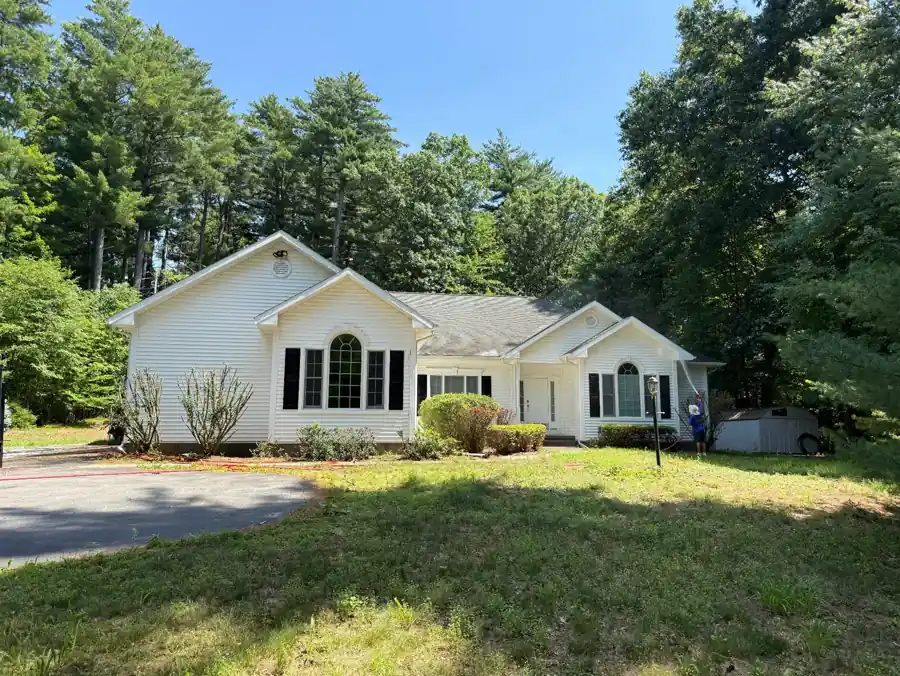
"Pressure washing" gets used as a catch-all term for exterior cleaning, but soft washing and pressure washing are genuinely different processes, using different pressure levels, different chemistry, and — most importantly — appropriate for different surfaces. Using the wrong one can mean stripped paint, damaged siding, or a wash that doesn't actually last. Here's how to tell them apart and which your home actually needs.
The Core Difference: Pressure vs. Chemistry
Pressure washing relies on mechanical force — high-pressure water, often 2,500-4,000 PSI, to physically blast dirt, grime, and buildup off a hard surface. It's fast and effective on surfaces built to take that kind of impact.
Soft washing uses low pressure (often under 500 PSI, similar to a garden hose) combined with a specialized cleaning solution — typically a diluted blend that includes surfactants and an algaecide/fungicide. The solution does the actual work of breaking down and killing organic growth like algae, mold, and mildew at the root. The low-pressure rinse simply washes away what's already been killed and loosened.
When Pressure Washing Is the Right Tool
Hard, non-porous surfaces built to withstand force are good candidates for pressure washing: concrete driveways and sidewalks, paver patios, brick, and some stone. These surfaces don't have paint or a delicate finish to strip, and dirt and mildew here are usually more ground-in, requiring the mechanical push that higher PSI provides.
- Concrete driveways, walkways, and patios
- Paver patios (with appropriate pressure to protect joint sand)
- Brick and some masonry surfaces
When Soft Washing Is Required, Not Optional
Vinyl and wood siding, stucco, roof shingles, and painted surfaces are all vulnerable to high-pressure water. Pressure washing siding can force water behind panels and into your walls, crack or dent vinyl, strip paint, and damage caulking around windows and doors. On roofs, as covered in our roof cleaning guide, high pressure strips protective granules and can void manufacturer warranties outright.
Soft washing is the only appropriate method for these surfaces. It's gentle enough not to cause physical damage, but the algaecide solution is actually more effective than pressure alone at killing the mold, algae, and mildew that cause most of the staining homeowners are trying to remove in the first place.
- Vinyl, wood, and fiber-cement siding
- Asphalt shingle roofs
- Stucco and EIFS systems
- Painted wood trim, fences, and decks
Why Soft Washing Lasts Longer
A pressure-only wash on siding might look clean the day it's done, but because it doesn't kill the algae's root structure or spores, regrowth often shows up within a few months. Soft washing addresses the biological cause, not just the visible symptom, which is why homes we soft wash typically stay visibly clean for 1-2+ years depending on shade and moisture exposure, versus a matter of months with pressure alone.
What a Professional Crew Actually Does
In practice, most full-service exterior cleaning jobs use both methods on the same visit: soft washing for the siding, roof, and any painted surfaces, and higher-pressure washing for the driveway, walkway, and patio. That's exactly how we approach every job — matching the method to the surface, not using one setting for the whole house.
Ready for a Free Quote?
Fast callback. No pressure, no obligation.
FAQ
Frequently Asked Questions
Can pressure washing damage my house?
Yes. High-pressure water on siding, trim, or roofing can force water behind panels, crack vinyl, strip paint, and damage caulking. That's why we soft wash those surfaces instead of using high pressure.
Is soft washing safe for plants and landscaping?
Yes, when applied correctly. We pre-wet and protect landscaping and rinse thoroughly, and the solutions we use are formulated to be safe for plants when applied by a trained crew.
Which is cheaper, soft washing or pressure washing?
Pricing depends more on the size of the job and level of buildup than the method itself. Ask for a free quote and we'll break down exactly what your home needs.
Do I need both services for my house?
Most homes do — soft wash for siding and roof, pressure wash for concrete and pavers. We typically combine both in a single visit.
How often should I get my home soft washed?
Most Capital Region homes benefit from a soft wash every 1-2 years, depending on tree cover, shade, and how much moisture the property holds onto.
Get Started
Get Your Free Quote
Takes about a minute. No obligation — we'll text or call you back fast.
