
Should You Seal Concrete? (Straight Answer for Upstate New York Homeowners)
Should you seal concrete in a freeze-thaw climate? When sealing pays off, when it does not, what it costs, and how long it lasts in Albany and the Capital Region.
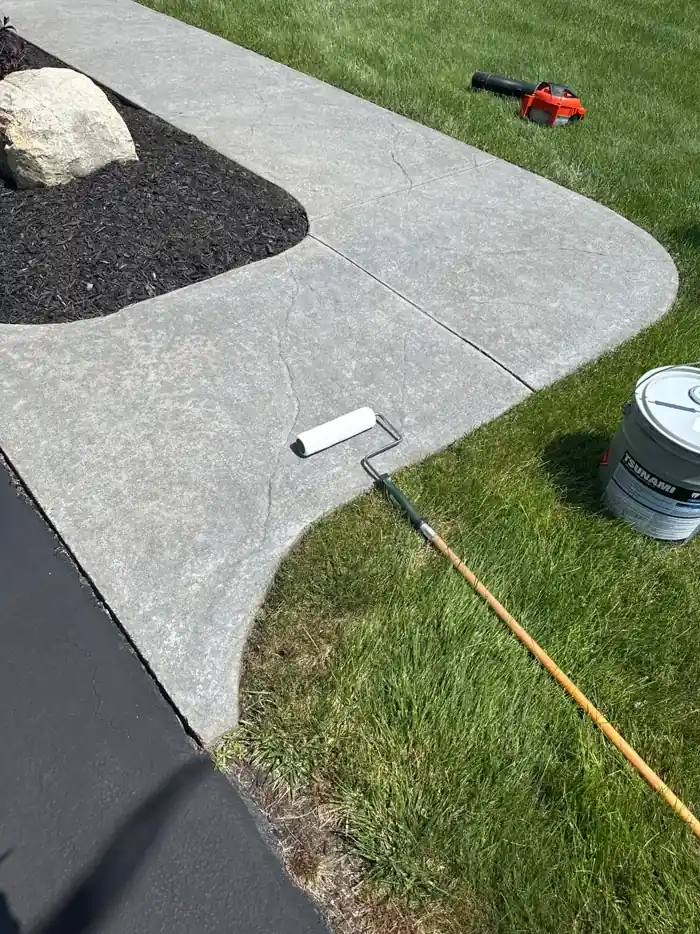
Most homeowners ask this after seeing a driveway start to pit, flake, or darken with stains. The short answer for New York's Capital Region: yes, sealing concrete is worth it here, because our winters combine moisture, freeze-thaw cycling, and road salt — the exact three things that destroy unsealed concrete. But sealing the wrong slab, at the wrong time, with the wrong product wastes money. Here is how to tell which situation you are in.
Why Sealing Matters More in a Freeze-Thaw Climate
Concrete is porous. Water soaks in, freezes, expands roughly nine percent, and pushes the surface apart from the inside. Repeat that dozens of times a winter and you get spalling — the flaking, pitted surface you see on older Capital Region driveways and garage aprons.
Sealer works by reducing how much water and salt brine the slab absorbs in the first place. Less absorbed water means less internal pressure when it freezes, and far less salt scaling around the areas where you shovel and de-ice.
- Blocks water and de-icing salt absorption
- Slows spalling, pitting, and surface scaling
- Helps resist leaf tannin, fertilizer, and everyday staining
- Makes routine cleaning much easier season to season
When You Should Seal
Seal when the slab is sound and you want to keep it that way. New concrete should cure first — generally 28 days minimum, and many contractors prefer a full season before a penetrating sealer goes down. Decorative work, stamped concrete, and exposed aggregate should always be sealed, because the color and texture are the whole point and they fade fast unprotected.
- Driveways and walkways that get de-iced in winter
- Stamped, colored, or exposed-aggregate concrete
- Garage floors and pool decks that see stains and constant moisture
- Any slab that already darkens quickly when it rains — a sign it is drinking water
When Sealing Is Not the Answer
Sealer is protection, not repair. If a slab is already heaving, cracked through, or spalled down to exposed aggregate, sealing locks in the problem instead of fixing it. Badly deteriorated concrete needs resurfacing or replacement first.
Sealing also should not go over a dirty slab. Anything trapped under the sealer — dirt, algae, efflorescence — stays there for years and shows through. Cleaning always comes first.
Penetrating vs. Topical Sealers
Penetrating sealers (silanes and siloxanes) soak into the pores and repel water from within. They leave the natural look of the concrete, do not get slippery, and do not peel — the right choice for most Capital Region driveways and walkways.
Topical sealers form a film on the surface. They give the wet look and pop the color on stamped and decorative work, but they wear, can whiten if moisture gets trapped, and need recoating more often. Both have a place; the surface decides which.
Cost and Timing in the Capital Region
Sealing is priced per square foot and depends on whether the slab needs cleaning and repair first. Penetrating sealers typically hold up three to five years here; topical sealers on decorative concrete usually want a recoat every two to three years, faster on sun-exposed south-facing surfaces.
Timing matters. Sealer needs dry concrete and moderate temperatures, which in upstate New York means late spring through early fall. Sealing before winter — ideally in early fall — is the single best time, because it puts protection in place right before the freeze-thaw season starts.
Ready for a Free Quote?
Fast callback. No pressure, no obligation.
FAQ
Frequently Asked Questions
Should you seal concrete or leave it alone?
In a freeze-thaw and road-salt climate like upstate New York, sealing a sound slab is worth it. It reduces water and salt absorption, which is what causes spalling and surface scaling. Leaving concrete unsealed is only reasonable for slabs you do not care about cosmetically and never de-ice.
How long after pouring can new concrete be sealed?
Wait at least 28 days for the concrete to cure. Many installers prefer a full season before applying a penetrating sealer so the slab has fully released moisture.
How often does sealed concrete need to be resealed?
Penetrating sealers generally last three to five years in the Capital Region. Topical, wet-look sealers on stamped or decorative concrete usually need recoating every two to three years.
Does sealing make concrete slippery?
Penetrating sealers do not change surface traction. Topical wet-look sealers can be slick when wet, which is why we add a non-slip additive on pool decks, steps, and walkways.
Do I need to clean concrete before sealing it?
Yes. Sealing over dirt, algae, or efflorescence traps it under the sealer for years. Every sealing job should start with a proper surface cleaning and full dry time.
Is it too late to seal a driveway that is already pitting?
If the pitting is light surface scaling, cleaning and sealing can slow it down. If aggregate is exposed and the surface is crumbling, the slab needs resurfacing or replacement — sealer will not bring it back.
Get Started
Get Your Free Quote
Takes about a minute. No obligation — we'll text or call you back fast.
