
How Often Should You Pressure Wash in Upstate NY's Freeze-Thaw Climate?
Freeze-thaw winters change how often Capital Region homes need washing. A month-by-month schedule for Upstate NY.
Upstate New York's climate doesn't just make winters cold — the repeated freeze-thaw cycles through late fall, winter, and early spring actively work grime, salt, and moisture into your home's exterior surfaces in ways that milder climates don't experience. That changes how often different parts of your property actually need cleaning. Here's a realistic, surface-by-surface schedule for the Capital Region.
Why Freeze-Thaw Cycles Matter for Cleaning Frequency
When temperatures swing above and below freezing repeatedly — which the Capital Region experiences dozens of times each winter — any moisture trapped in concrete, siding seams, or roof shingles expands and contracts. This doesn't just risk structural cracking over years; it also drives dirt, algae spores, and salt residue deeper into surface pores and texture, making buildup harder to remove the longer it sits. It's also why algae and mildew that take hold in fall can look dramatically worse by the following spring — they've had a whole winter of trapped moisture to spread.
House Washing: Every 12-24 Months
Most Capital Region homes do well with a soft wash every one to two years. Homes with heavy tree cover, north-facing shade, or proximity to the river valleys (which hold more humidity) tend to need the shorter end of that range. Homes on open, sunny lots with good airflow can often stretch closer to two years between washes.
A practical rule: wash in fall to clear the season's pollen and algae growth before it sits trapped under snow all winter, or in spring to remove the grime and salt spray that accumulated over the cold months.
Roof Washing: Every 2-3 Years
Roofs generally need less frequent cleaning than siding, but freeze-thaw cycling makes existing algae colonies more entrenched over time, since moisture gets trapped under growth and around shingle tabs during winter. Catching streaking early — before it's had multiple winters to set in — makes each cleaning more effective and helps protect shingle life. Most homes are well-served by a roof soft wash every two to three years, though heavily shaded roofs may need it closer to the two-year mark.
Concrete & Driveways: Annually, Especially After Winter
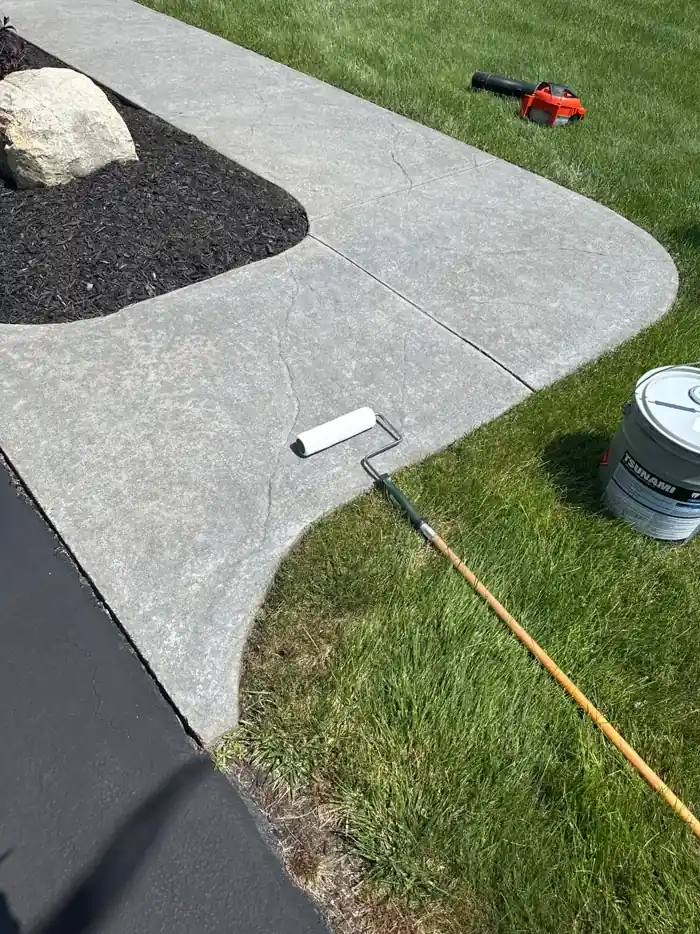
Concrete takes the most direct hit from Upstate NY winters. Road salt, sand, and de-icing chemicals get tracked onto driveways and walkways all winter, and freeze-thaw cycling drives that residue into the concrete's pores, where it can contribute to surface scaling and spalling over time if never cleaned out. An annual spring cleaning — after the last hard freeze but before summer — removes salt residue, embedded grime, and the winter's buildup of algae in shaded areas, and it's also the ideal time to reseal if your concrete or pavers are due.
- Clean driveways and walkways every spring to remove salt and de-icing residue
- Reseal concrete and pavers every 2-3 years to protect against freeze-thaw damage
- Address dark, damp staining promptly — it usually signals trapped moisture and algae
Decks, Fences, and Gutters: Seasonal Checks
Wood decks and fences benefit from a cleaning (and resealing, if applicable) once a year, typically in spring, since winter moisture and freeze-thaw swelling can loosen old sealant and trap grime in the wood grain. Gutters should be checked and cleaned at least twice a year — after leaf drop in fall and again in spring — since clogged gutters holding water through freeze-thaw cycles are a major contributor to ice dams and fascia damage on Capital Region homes.
Ready for a Free Quote?
Fast callback. No pressure, no obligation.
FAQ
Frequently Asked Questions
Is it safe to pressure wash in winter in the Capital Region?
We recommend waiting until temperatures are reliably above freezing. Washing surfaces that then freeze can trap moisture and worsen damage, so most jobs run spring through fall.
Does freeze-thaw damage make cleaning more urgent?
Yes — the longer grime, salt, and algae sit through repeated freeze-thaw cycles, the deeper they work into pores and seams, making eventual cleaning harder and increasing the risk of surface damage like concrete spalling.
Should I clean my concrete before or after sealing?
Always clean first. Sealing over embedded dirt, salt, or algae traps it under the sealant and shortens how long the seal lasts.
What's the best single time of year to clean my whole property?
Spring is popular because it addresses winter's salt, sand, and trapped moisture all at once, but many homeowners split services — house and roof in fall, concrete in spring.
Can regular cleaning actually extend the life of my siding or concrete?
Yes. Removing algae, salt, and trapped grime before freeze-thaw cycles work it deeper into the surface reduces long-term wear and helps sealants and paint last longer.
Serving The Capital Region
Get It Done In Your Town
Get Started
Get Your Free Quote
Takes about a minute. No obligation — we'll text or call you back fast.
