
Paver Sealing Cost Guide 2026 | Albany Capital Region NY
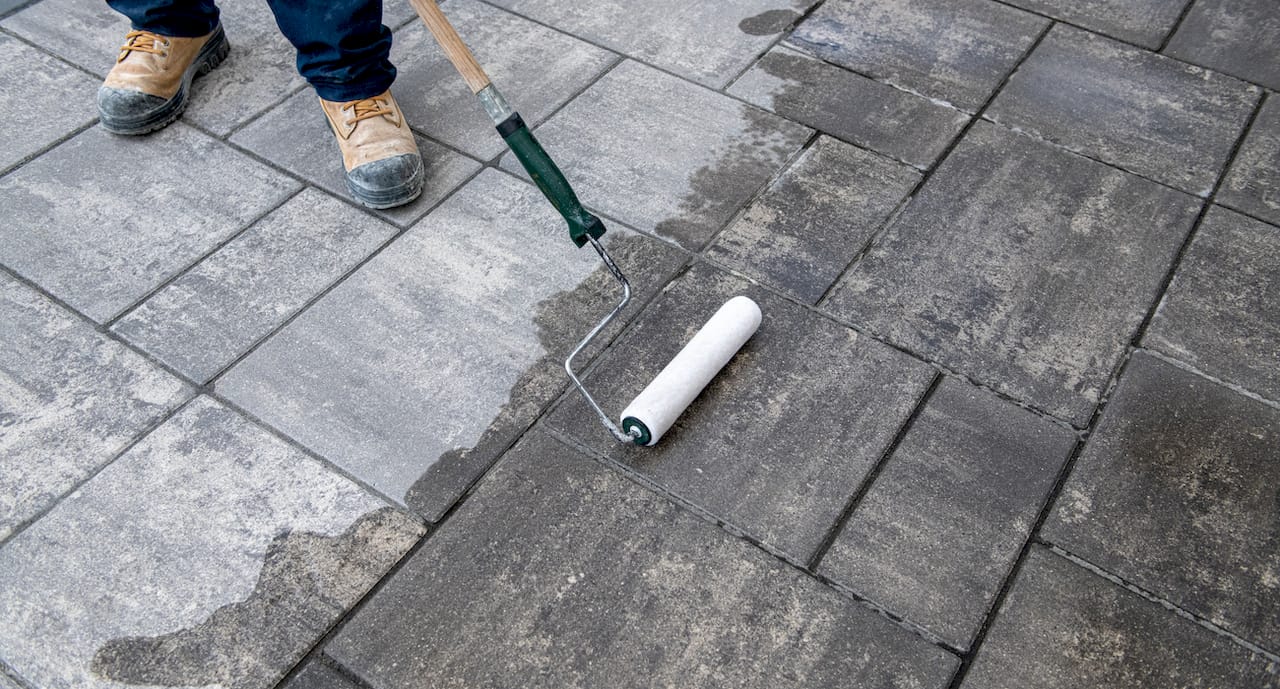
Professional paver sealing runs roughly $1.50–$3.25 per square foot for most residential projects nationwide. A small patio, a standard driveway, or a pool deck with full prep can each vary widely in total cost depending on size and preparation level. The low end of those ranges usually means minimal prep, a single coat, and no joint work. The high end reflects full-protocol service: pressure washing, stain extraction, polymeric sand re-jointing, and two coats of quality sealer. If a quote seems unusually cheap, it almost certainly skips one or more of those steps.
Table of Contents
-
What does a professional paver sealing job actually include?
-
How long does a sealing job take, and how often do you need to re-seal?
-
Capitalpropressurewashing serves the Capital Region with full-protocol paver sealing
How do contractors price paver sealing?
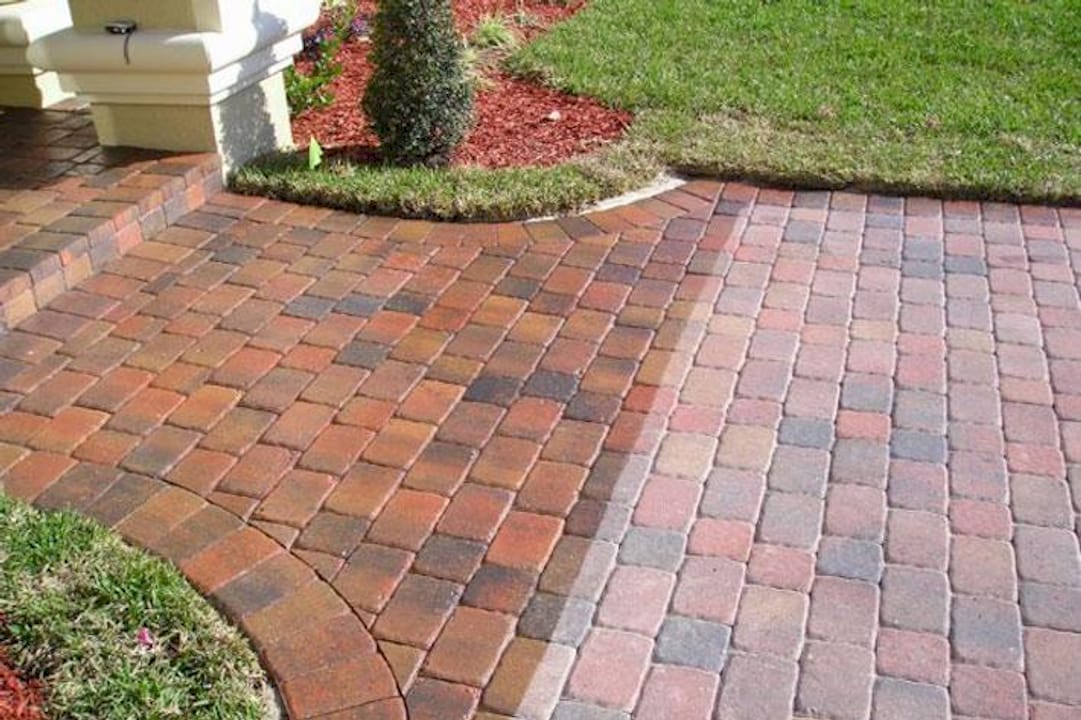
Most quotes bundle several distinct tasks into a single per-square-foot number, which makes it hard to know what you are actually paying for. Breaking the line items apart is the fastest way to compare bids honestly.
| Component | Typical per-sq-ft range | Usually included or add-on? |
|---|---|---|
| Pressure washing / surface cleaning | $.4-$1.00 | Usually included |
| Stain remediation / pre-treatment | $.2-$.5 | Often add-on |
| Polymeric sand re-jointing | $1-$2 | Add-on |
| Sealer material (1–2 coats) | $1-$2 | Usually included |
| Application labor | Usually included | Usually included |
| Old sealer stripping (standard) | $1.50-$.2.25 | Add-on / surcharge |
| Travel / minimum job fee | $50-$150 | Add-on/surcharge |
The stripping surcharge is where sticker shock hits. If your pavers were sealed before and that sealer has failed, clouded, or peeled, a contractor has to chemically strip it before applying anything new. That alone can add $1.50–$2.25 per square foot on top of the base price, and natural stone surfaces sometimes carry an extra premium beyond that.
Smaller jobs consistently cost more per square foot because contractors apply minimum fees to cover mobilization. A 150 sq ft entry patio might run $3.00+ per square foot simply because the job is too small to spread overhead across. Larger driveways and pool decks pull that per-square-foot number down.
Repairs — releveling sunken pavers, replacing cracked units, fixing drainage — are almost always billed separately from cleaning and sealing. Verify upfront whether a quote covers maintenance sealing only or includes structural fixes.
What factors change the price the most?
The same 500 sq ft driveway can generate quotes ranging from $600 to $2,500 depending on a handful of variables. Here is what actually moves the number:
-
Surface material. Concrete pavers are the most straightforward to seal. Natural stone (travertine, flagstone, bluestone) requires chemistry-specific sealers and gentler cleaning, which adds time and cost.
-
Existing sealer condition. Sealed pavers that are in good shape need only a light clean and a fresh coat. Failed sealer that has turned milky or is peeling requires full chemical stripping before any new product goes down.
-
Staining and contamination. Oil, rust, algae, and efflorescence each need different pre-treatment chemistry. Heavy staining adds labor and material cost.
-
Joint condition. Eroded or washed-out joints need polymeric sand before sealing. Skipping this step leads to sealer failure at the joints within a season or two.
-
Sealer chemistry and finish. Water-based acrylics cost less; solvent-based and urethane products cost more. A high-gloss wet-look finish often requires additional coats and a higher-grade product.
-
Site access and complexity. Tight spaces, steps, curves, and pool coping slow application and raise labor time. Contractors in dense urban areas or with difficult parking access sometimes add a surcharge.
-
Local labor rates. A contractor in the New York Capital Region prices differently than one in rural Georgia. Regional labor markets matter.
Pro Tip: Ask any contractor to describe their prep sequence before they quote you. If the answer is “we clean it and spray it,” that is a spray-and-go operation. A full-protocol contractor will mention stain extraction, joint inspection, and sealer compatibility checks before they ever mention price.
What does a professional paver sealing job actually include?
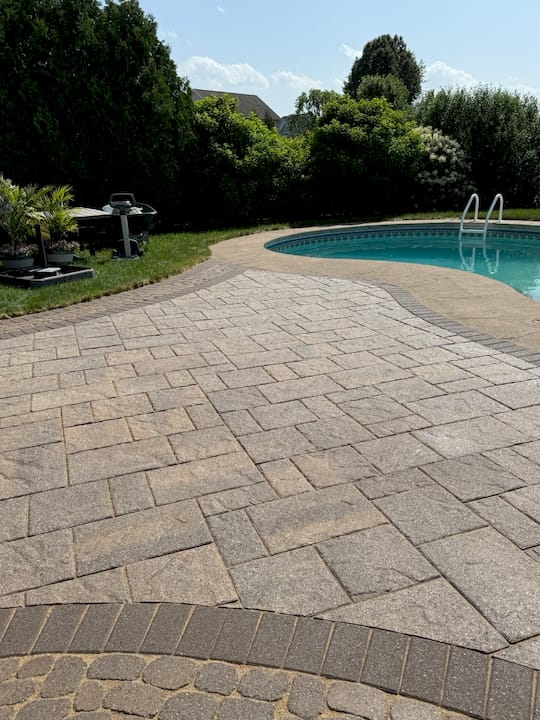
A properly scoped job follows a sequence, and every step has a reason. Here is what you should expect from a contractor who is doing it right:
1. Inspection. The crew walks the surface before touching it, noting failed sealer, staining, joint erosion, cracked or sunken pavers, and drainage issues. This determines chemistry selection and flags any repairs that need separate pricing.
2. Cleaning. Commercial oscillating surface cleaners and hot-water pressure washing remove dirt, algae, mildew, and loose material. Professional equipment produces a more consistent clean than consumer rentals, which is a real part of why professional labor costs more than DIY.
3. Stain extraction. Oil, rust, and organic stains get targeted pre-treatment. Skipping this step means stains bleed through the sealer within months.
4. Joint re-sanding. Polymeric sand is swept into joints and compacted before sealing. This stabilizes the surface, reduces weed intrusion, and prevents washout. It is the step most budget operators skip.
5. Sealer application. One or two coats of the specified sealer go down by sprayer or roller, depending on the product and surface texture. Coat count and sealer type should be written into the estimate.
6. Cure time. Most sealers need 24–48 hours before foot traffic and 72 hours before vehicle traffic. Some penetrating sealers cure faster; solvent-based products may need longer in cold or humid weather.
7. Final inspection. A reputable contractor walks the job with you before leaving, checking for missed spots, drips, or uneven sheen.
A written estimate should include: a line-item scope (not just a total), the sealer brand and product name, coat count, joint-sanding method, strip policy if applicable, a start and completion window, and a rework or warranty clause. If any of those are missing, ask for them in writing before signing.
Which sealer type should you choose?
Sealer chemistry drives both the upfront material cost and how long you go between re-seals. The finish you choose affects how the surface looks and how much maintenance it needs.
-
Water-based acrylic. The most common residential choice. Breathable, UV-stable, and easier to apply. Typically lasts 2–3 years before re-sealing. Lower material cost and lower VOC emissions per EPA indoor air quality guidance on solvent exposure.
-
Solvent-based acrylic. Deeper penetration and richer color enhancement than water-based. Stronger odor during application, longer cure time, and generally higher cost. Can last 3–5 years with proper prep.
-
Urethane and polyurethane. More durable and abrasion-resistant, making them well-suited for driveways with vehicle traffic. Higher material cost; typically applied by professionals rather than DIYers.
-
Penetrating / impregnating sealers. Soak into the paver rather than forming a surface film. Nearly invisible finish, no sheen. Excellent for natural stone. Longer lifespan (5–10 years in some cases) but offer no color enhancement.
Finish options run from natural/matte (no sheen, closest to unsealed look) through satin to high-gloss wet-look. Wet-look finishes require more product per coat and often a second coat, which adds material cost. They also show wear and tire marks more readily on driveways.
Coverage matters for material cost. A 5-gallon container of water-based acrylic sealer covers up to roughly 640 sq ft depending on porosity. Dense, smooth pavers absorb less and stretch coverage further; older, porous, or textured pavers drink more sealer and may need a second bucket. A contractor who does not account for actual porosity when quoting material cost is guessing.
DIY versus hiring a pro: how do the numbers compare?
DIY sealing costs less upfront. The trade-offs are time, equipment quality, and the risk of a result that fails early or looks worse than the original surface.
Typical DIY costs for a medium driveway include sealer buckets, pressure washer rental, polymeric sand, brushes and prep supplies, summing to a few hundred dollars.
That looks attractive compared to a professional quote of $750–$1,625 for the same area. But labor accounts for 50–70% of a professional project’s total cost, and that labor buys commercial-grade equipment, chemistry knowledge, and a warranty on the result. A consumer pressure washer running at 1,500–2,000 PSI does not replicate what an oscillating surface cleaner at 3,000+ PSI does to joint contamination and embedded grime.
The real cost of DIY is the re-do. A streaky or prematurely peeling DIY seal job often needs professional stripping before it can be corrected, which adds $1.50–$2.25 per square foot to the next professional quote. Over a 3–6 year horizon, a single failed DIY attempt can cost more than hiring a pro from the start.
The math favors DIY only when the surface is in excellent condition, the pavers are smooth and uniform, and the homeowner has genuine experience with surface prep. For most driveways and pool decks, the risk of streaking, uneven sheen, or short-lived results tips the balance toward professional service.
How to compare quotes and spot red flags
Getting three written quotes is the standard advice. What most homeowners do not do is compare the scope, not just the price. A $1.50/sq ft quote and a $3.25/sq ft quote are not the same service.
Questions to ask every contractor before accepting a bid:
-
What is your exact prep sequence, step by step?
-
What sealer brand and product will you use, and why?
-
How many coats are included?
-
Do you re-sand joints, and with what product?
-
If the existing sealer has failed, do you strip it, and what does that cost?
-
What is your warranty or rework policy if the sealer peels or clouds within 12 months?
-
What is the cure time, and when can I use the surface?
-
Are you licensed and insured in this state?
-
Will I receive a written, line-item scope before work starts?
Red flags that should make you pause:
-
No site visit before quoting (a phone quote with no photos or measurements is a guess)
-
Vague scope language like “clean and seal” with no prep detail
-
No mention of joint inspection or re-sanding
-
Refusal to name the sealer product
-
No written warranty or rework clause
-
Price that is dramatically lower than every other quote
Pro Tip: When you have three written quotes, lay the scope descriptions side by side rather than the totals. If one contractor lists stain extraction, polymeric sand, and two coats while another lists only “clean and apply sealer,” you are not comparing the same job. The cheaper quote may cost more over five years.
How long does a sealing job take, and how often do you need to re-seal?
A 200 sq ft patio typically takes 3–5 hours for a professional crew: an hour for cleaning and prep, 30–45 minutes for joint work, and an hour or two for sealer application and touch-up. A 700 sq ft pool deck with full prep runs 6–10 hours, sometimes split across two days if the surface needs to dry completely between cleaning and sealing.
Cure times vary by product. Most water-based acrylics allow foot traffic in 24 hours and vehicle traffic in 72 hours. Solvent-based products in cool or humid weather may need 48–72 hours for foot traffic. Do not rush this window; traffic on a partially cured sealer causes scuffing and adhesion failure.
Re-seal frequency depends on sealer type and traffic:
-
Water-based acrylic: every 2–3 years for patios; every 1–2 years for driveways
-
Solvent-based acrylic: every 3–5 years
-
Urethane: every 3–5 years, sometimes longer with light traffic
-
Penetrating sealers: every 5–10 years depending on exposure
In the Northeast, schedule sealing for late spring through early fall. Surface temperature should be above 50°F and rising, with no rain forecast for at least 24 hours. Sealing in late October in upstate New York is a gamble; the sealer may not cure properly before the first freeze.
Practical ways to reduce cost without cutting corners
Saving money on paver sealing does not mean accepting a worse result. It means being strategic about timing, bundling, and where you spend.
-
Bundle cleaning and sealing in one visit. Contractors charge less per service when they are already mobilized. Combining paver cleaning with sealing in a single appointment typically costs less than scheduling them separately.
-
Schedule in the off-peak window. Late spring and early fall are peak demand periods. Some contractors offer lower rates in early spring or late summer when their schedule has gaps.
-
Clear the area yourself. Moving patio furniture, potted plants, and loose items before the crew arrives saves labor time and, in some cases, a small prep fee.
-
Accept a mid-tier sealer with full professional prep. A quality water-based acrylic applied over a properly prepped surface outperforms a premium solvent product applied over a dirty or contaminated one. Prep quality matters more than sealer price.
-
Negotiate a multi-year service plan. Some contractors offer a discounted rate for homeowners who commit to re-sealing on a schedule. You get a lower per-visit price; they get predictable recurring revenue.
What not to skip to save money:
-
Joint re-sanding. Polymeric sand costs $0.10–$0.30 per square foot and is one of the most cost-effective steps in the entire job. Skipping it leads to joint erosion, weed intrusion, and sealer failure at the edges within a year or two.
-
Stain extraction. A sealer applied over an oil stain does not hide it. It locks it in and makes future removal harder.
Pro Tip: If your pavers need polymeric sand anyway, schedule it at the same time as sealing. Doing it as a separate visit later costs more in labor and risks disturbing a freshly sealed surface.
Why preparation protocol explains the wide price gap
The single biggest reason two quotes for the same 500 sq ft driveway can differ by $800 or more is not sealer quality or profit margin. It is prep depth.
Full-protocol professional sealing runs roughly $0.75–$1.50 per square foot in some markets, with the gap between budget and standard quotes almost entirely explained by how much prep work is included. A spray-and-go operator cleans the surface lightly, applies a single coat, and moves on. A full-protocol contractor inspects, extracts stains, re-sands joints, applies manufacturer-specified product in the correct number of coats, and backs the work with a warranty.
The lifecycle cost argument is straightforward. A $600 spray-and-go job that fails in 18 months, requires stripping at $1.50–$2.25/sq ft, and then needs a full re-seal costs more over five years than a $1,200 full-protocol job that holds for four years. Poor prep — failure to remove old sealer, stains, or mildew — is the leading cause of premature sealer failure, including cloudiness and peeling.
A full-protocol bid should include, in writing: chemical pre-treatment, stain extraction, joint inspection and re-sanding, sealer brand and coat count, cure time, and a rework clause. If those elements are not in the written scope, the prep is probably not happening.
Key Takeaways
Professional paver sealing costs $1.50–$3.25 per square foot nationally, and the single most important factor in that range is how much prep work the contractor actually performs.
| Point | Details |
|---|---|
| National per-sq-ft range | Expect $1.50–$3.25/sq ft; small patios run $300–$550 total, driveways $750–$1,625. |
| Prep depth drives price variance | A $1.50/sq ft quote usually means minimal prep; $3.25/sq ft reflects full-protocol prep and longer sealer life. |
| Stripping adds significant cost | Failed sealer removal adds $1.50–$2.25/sq ft on top of the base price — always ask upfront. |
| Compare written scopes, not totals | Two quotes at different prices may describe entirely different jobs; line-item scope is the only fair comparison. |
| Capitalpropressurewashing | Offers full-protocol paver cleaning and sealing in the Capital Region of New York, with itemized written quotes. |
The prep step most homeowners underestimate
There is a pattern that shows up repeatedly in paver sealing: a homeowner accepts the lowest bid, the sealer looks fine for one season, and by the second spring it is cloudy, peeling at the edges, or trapping moisture under the film. The contractor is long gone. The fix requires stripping, which costs more than the original job.
The conventional wisdom says “get three quotes and pick the middle one.” That is not bad advice, but it misses the real question. The middle quote is only better if it includes better prep. A contractor who charges $1.20/sq ft and skips joint re-sanding is not a better value than one charging $0.90/sq ft who does the same thing. The question is always: what does the prep sequence look like, in writing?
What actually works is treating the written scope as the product you are buying, not the price. Sealer is a commodity. Prep is the skill. A veteran-owned operation with a decade of local experience and a rework clause in the contract is a fundamentally different purchase than a low-bid spray crew, regardless of what the per-square-foot number says.
Capital Pro Pressure Washing serves the Capital Region with full-protocol paver sealing
Skipping prep to save $200 upfront is how a $600 job becomes a $1,800 problem two seasons later. Capital Pro Pressure Washing handles paver cleaning and sealing across Albany, Saratoga Springs, Clifton Park, and the surrounding Capital Region with a full-protocol approach: surface inspection, commercial-grade cleaning, stain extraction, polymeric sand re-jointing, and manufacturer-specified sealer in the correct coat count. Every quote is written and itemized, so you know exactly what prep steps are included before anyone shows up.
Military and first responder discounts apply, and the company is veteran-owned with over a decade of local experience. If you are ready to get a written, line-item quote for your patio, driveway, or pool deck, request your estimate and see what full-protocol sealing actually costs for your specific surface and square footage.
Useful sources
The cost figures and protocol guidance in this article draw from the following published resources:
| Source | What it contributes |
|---|---|
| HomeGuide: Cost to Seal Pavers | National per-sq-ft ranges, sample project totals, and size-based pricing behavior |
| Craft Pavers: How Much Does It Cost to Seal Pavers? FL | Tiered pricing table (budget vs. full-protocol) and prep-depth explanation |
| First Coast Property Experts: Paver Sealing Cost Northeast FL | Strip surcharge ranges and regional price band examples |
| Domi Landscape: Paver Sealing Cost in Florida | Polymeric sand add-on cost and prep-quality connection to sealer lifespan |
| Pacific Pavers: The True Cost of Sealing Pavers | Labor share (50–70%) and DIY vs. professional cost comparison |
| MasonrySaver Paver Sealer (Amazon) | 5-gallon coverage rate (up to 640 sq ft) for DIY material cost calculations |
| EPA: VOCs and Indoor Air Quality | Context on solvent-based sealer VOC considerations |
| Capitalpropressurewashing: Paver Cleaning & Sealing Albany NY | Local service scope, itemized quotes, and Capital Region coverage |
Recommended
Services Related To This Article
Need a quote in the Capital Region?
Fast, free estimates from a local, licensed & insured team.
